Step 1: Identify What Is in Your Water
No filter is effective against all contaminants, and purchasing one based on marketing claims rather than actual water conditions is an inefficient approach. There are two practical ways to find out what is in your household water:
Municipal Water Quality Reports
Canadian municipalities are required to test and report on water quality. Most utilities publish an annual Consumer Confidence Report (CCR) or water quality summary on their website. These reports list tested parameters — including total coliform, nitrates, lead (at distribution system and entry point), turbidity, and disinfection byproduct concentrations — alongside the applicable Health Canada guideline value.
If your utility's most recent report shows lead levels above 0.005 mg/L (Health Canada's MAC for lead), that directly indicates the filter technology you need. If the primary concern is taste and chlorine, a simpler carbon filter is sufficient.
Independent Water Testing
For well water, or when a municipal report does not cover a specific concern (such as arsenic from local geology, or PFAS compounds), an accredited laboratory test provides the clearest picture. Ontario's MOE, Alberta Environment, and most provincial health authorities list certified laboratories. A basic residential panel typically covers bacteriological safety and common inorganic parameters.
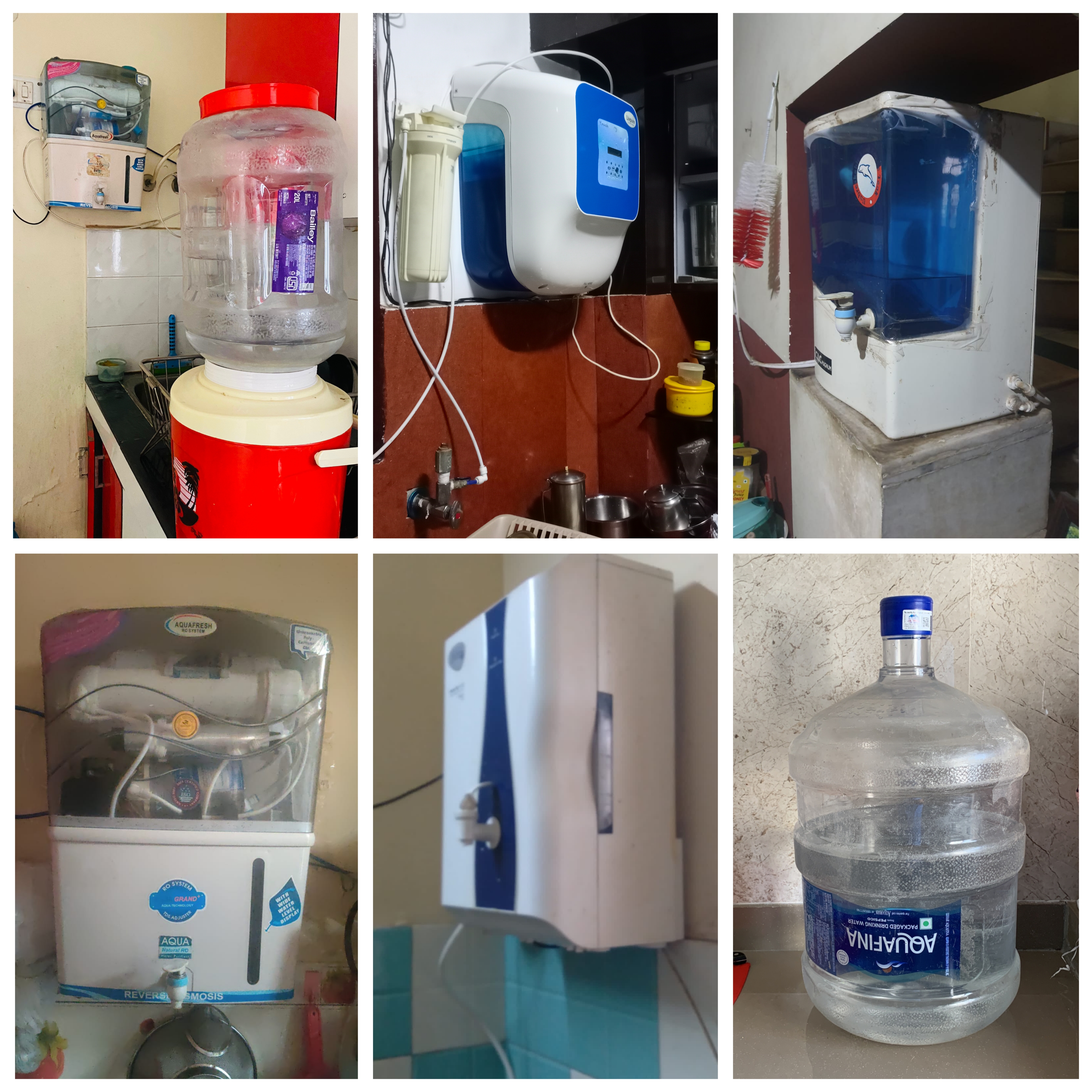
Step 2: Match Filter Technology to Contaminants
Once you have a water quality baseline, the contaminant profile narrows your options considerably:
For Lead and Heavy Metals
Two NSF-certified technologies address lead in residential drinking water: reverse osmosis (NSF/ANSI 58) and certain carbon block filters (NSF/ANSI 53, specifically certified for lead reduction). Not all carbon filters are certified for lead — the NSF certification mark must explicitly list lead reduction.
For Microbiological Concerns
Boil water advisories and bacterial contamination require either a UV disinfection unit, a certified ceramic filter, or a reverse osmosis system with a validated membrane pore size. Carbon filters alone are not certified for bacteria removal. UV systems require clear water (low turbidity) to be effective; a sediment pre-filter is typically installed upstream.
For Chlorine, Chloramines, and Taste
Activated carbon in either block or granular form is the standard technology. Carbon block has a finer mechanical filtration component; catalytic carbon is specifically designed to remove chloramines, which standard activated carbon reduces less efficiently.
For Nitrates
Nitrates are a concern in agricultural areas of Canada (particularly in well water in Southern Ontario, the Prairies, and parts of British Columbia) and are not removed by carbon filters. Certified reduction requires reverse osmosis or an ion-exchange system specifically rated for nitrate.
Step 3: Select the Installation Format
The practical choice between filter formats often comes down to available space, plumbing access, and whether treatment is needed at a single tap or throughout the home.
Point-of-Use (POU) Systems
Under-sink units treat water at the kitchen tap only. This is sufficient when the concern is drinking and cooking water. RO systems and multi-stage carbon systems are most commonly installed in this format. Installation requires access to the cabinet under the sink, a cold water supply line connection, a drain connection for waste water (RO systems), and a separate dispensing faucet.
Point-of-Entry (POE) Whole-House Systems
Installed at the main service entry, these treat all water entering the home — useful when sediment, chlorine, or iron affect multiple fixtures or when appliance protection is a concern. Whole-house carbon and sediment systems are common; whole-house RO is rare in residential settings due to high flow rate requirements and waste water volumes.
Countertop and Pitcher Formats
These require no plumbing modification and are practical for renters. Pitcher filters using activated carbon (such as those certified to NSF/ANSI 42) address taste and chlorine but are not rated for lead or microbiological reduction in most certified configurations.
The NSF product certification search at nsf.org lets you search by standard number and contaminant. Filtering by "NSF/ANSI 58" and "lead" returns every certified RO unit that has been third-party tested for that specific reduction claim.
Step 4: Understand NSF Certification Codes
NSF/ANSI standards for water treatment are referenced by number. The most relevant for residential filters:
- NSF/ANSI 42: Aesthetic effects — chlorine taste and odour, chloramines, particulates. Most pitcher and carbon filters carry this.
- NSF/ANSI 53: Health effects — lead, cysts (Giardia, Cryptosporidium), VOCs, MTBE, and others depending on certification scope.
- NSF/ANSI 58: Reverse osmosis systems — covers the full system including membrane, pre-filters, and post-filters, with contaminant reduction claims verified per unit.
- NSF/ANSI 55: UV disinfection systems — Class A for microbiologically unsafe water (4-log virus reduction), Class B for already-treated water.
A filter box showing "NSF certified" without specifying the standard and contaminant provides limited useful information for decision-making.
Filter Maintenance and Running Costs
Filter cartridge replacement is a recurring cost that varies substantially by system type and water quality. Under-sink carbon filters under typical municipal conditions require cartridge replacement every 6–12 months. RO systems require pre-filter changes every 6–12 months and membrane replacement every 2–4 years. The ongoing cost per litre of treated water from a mid-range under-sink RO system is often lower than bottled water, though the comparison depends heavily on local water rates and filter pricing.