
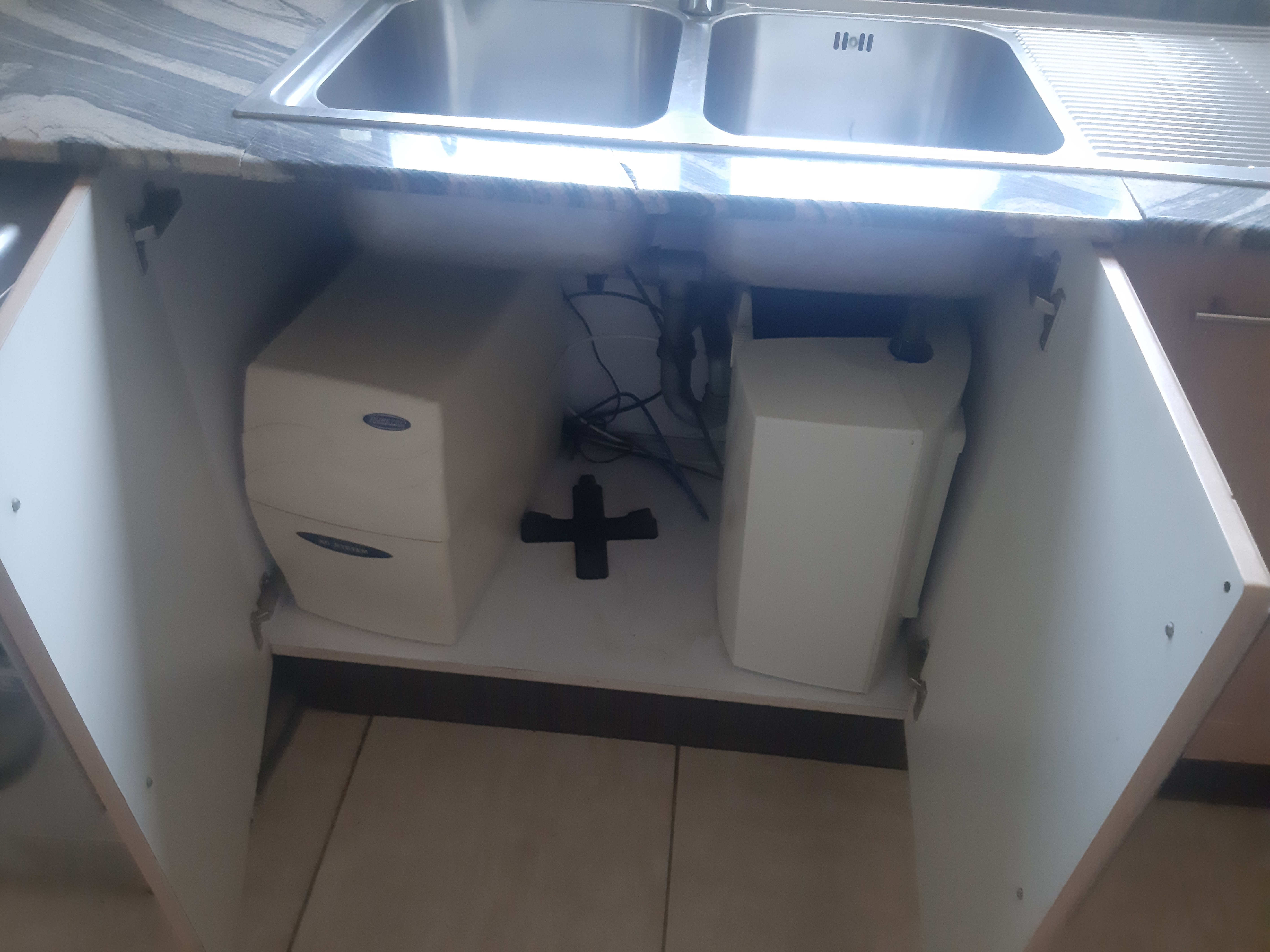
How Reverse Osmosis Works in Residential Settings
An explanation of the RO membrane process, system components, water efficiency considerations, and where RO fits among other home filtration options.
Read article →Practical information on how home filtration works, what contaminants matter in Canadian tap water, and how to compare filter technologies by household need.
Filter Technologies
Forces water through a semi-permeable membrane, removing dissolved solids, heavy metals, and most microorganisms. Produces highly purified water but also generates a reject stream.
Adsorbs chlorine, chloramines, volatile organic compounds, and taste and odour compounds. Carbon block filters offer finer mechanical filtration than granular formats.
Exposes water to ultraviolet light at 254 nm, neutralising bacteria and viruses without adding chemicals. Often combined with a pre-filter to remove turbidity first.
Porous ceramic elements physically block particles, bacteria, and protozoa. Durable and cleanable, but slow flow rate compared to membrane systems.
Entry-level point-of-use filters using granular activated carbon. Practical for apartment use; effective at improving taste but not designed for heavy metal or microbiological reduction.
Installed at the main water entry point, treating all water entering the home. Typically combine a sediment pre-filter with carbon or KDF media for broad-spectrum treatment.
Filter Comparison
| Technology | Removes | Does Not Remove | Typical Location |
|---|---|---|---|
| Reverse Osmosis | Lead, arsenic, nitrates, fluoride, dissolved solids, bacteria | Some VOCs, chlorine (pre-filter needed) | Under-sink, countertop |
| Activated Carbon | Chlorine, chloramines, VOCs, taste/odour | Heavy metals, dissolved salts, nitrates | Under-sink, pitcher, whole-house |
| UV Disinfection | Bacteria, viruses, protozoa (Giardia, Cryptosporidium) | Chemical contaminants, heavy metals, sediment | Point-of-entry, under-sink |
| Ceramic | Bacteria, protozoa, sediment | Viruses, dissolved chemicals | Countertop, under-sink |
| Pitcher (Carbon) | Chlorine, some taste/odour compounds | Heavy metals, bacteria, nitrates | Countertop |
Latest Articles
An explanation of the RO membrane process, system components, water efficiency considerations, and where RO fits among other home filtration options.
Read article →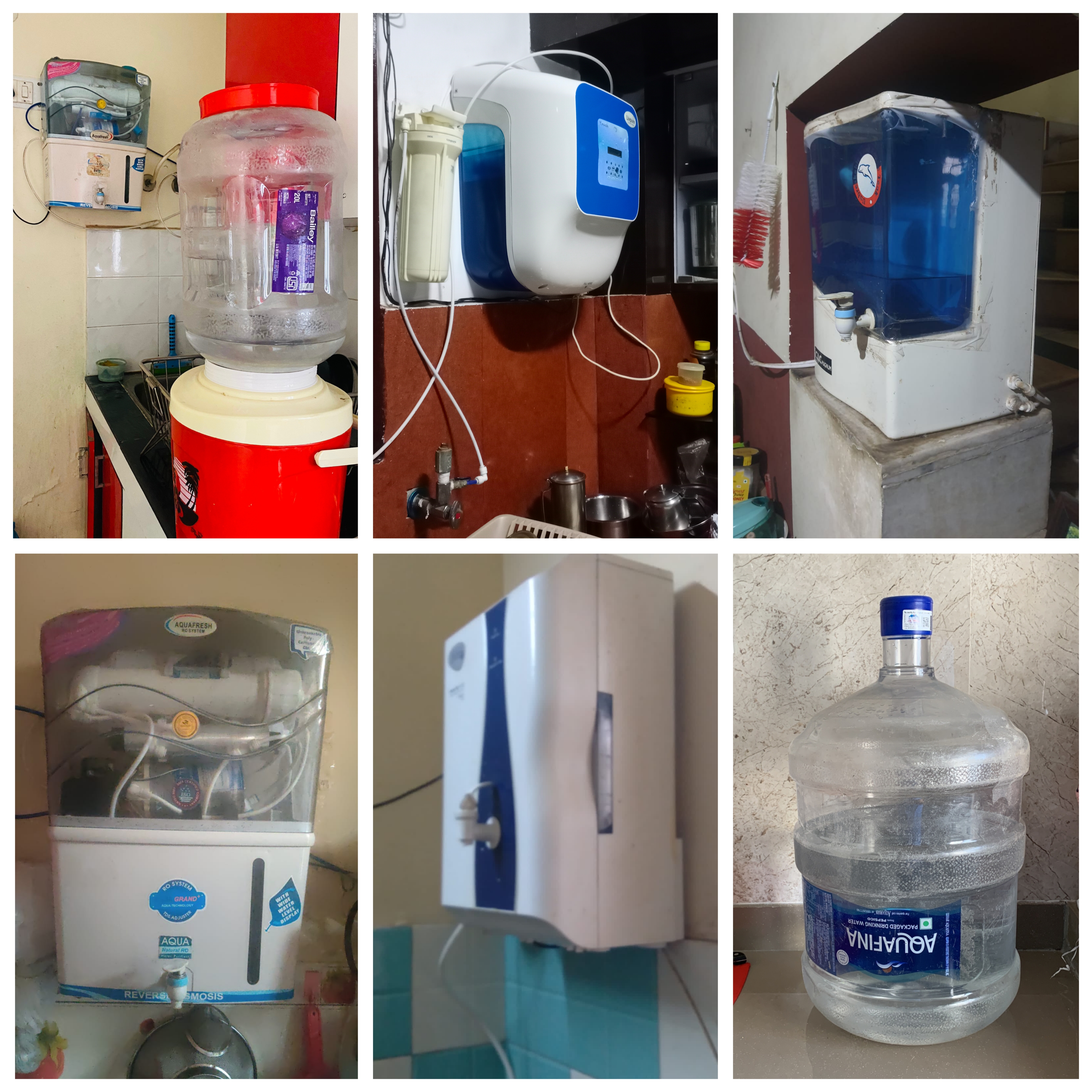
How to match filter technology to local water conditions, household size, and installation constraints, based on water quality report data and NSF certifications.
Read article →
An overview of how municipal water treatment works in Canada, what regulations apply, and where additional home filtration is commonly considered.
Read article →Contact
Use the form below to submit a question or feedback. Fields marked with * are required.